Winter Diesel Fuel System Maintenance: Avoid Gelling and Power Loss
- January 19, 2026
Share:
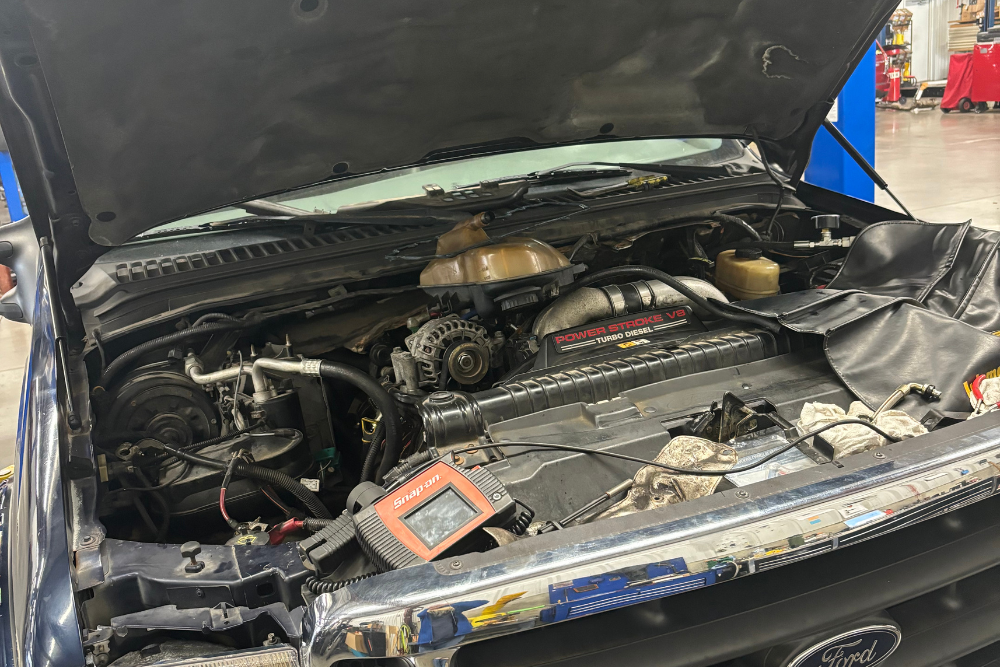
Your diesel truck fired up perfectly yesterday, but this morning it won’t even turn over. The culprit? Fuel gelling, one of the most common and preventable winter diesel problems facing Powerstroke, Duramax, and Cummins owners throughout Springboro and Warren County. At Schmidt Auto Care, we specialize in diesel fuel system maintenance that keeps your truck running reliably despite Ohio’s brutal winter temperatures.
In this guide, we’ll break down the science behind fuel gelling, reveal the warning signs most drivers miss, explain essential maintenance services that actually work, and share practical steps you can take between professional services to protect your investment all winter long.
The Science Behind Diesel Fuel Gelling in Ohio Winters
Diesel fuel behaves completely differently from gasoline when temperatures plummet. The fuel contains paraffin wax that remains liquid during warm weather but solidifies as the thermometer drops. In Springboro and throughout Warren County, winter temperatures regularly dip into the teens and single digits, creating perfect conditions for fuel problems.
Here’s what happens inside your fuel tank during a cold snap:
- At 30°F: Paraffin wax begins to crystallize, and cloud point occurs
- At 15°F: Wax crystals multiply rapidly, and fuel starts thickening
- At 10°F: Fuel reaches gel point and can no longer flow through filters
- Below 0°F: Complete gelling occurs, and your truck won’t start
Modern diesel engines rely on precision fuel delivery. When paraffin wax clogs your fuel filter, the engine starves for fuel. Your truck’s computer detects the problem, throws diagnostic codes, and may activate limp mode to prevent damage. This is why proactive diesel fuel system maintenance becomes critical when temperatures drop below 30°F.
Understanding Diesel Fuel Gelling Stages
Diesel fuel doesn’t gel all at once. It happens in three distinct stages as temperatures drop. Understanding these stages helps you know when to take action:
| Temperature Stage | What Happens | What You’ll Notice |
|---|---|---|
| Cloud Point (32°F) | Paraffin wax begins crystallizing and fuel turns cloudy | Fuel looks hazy but still flows; engine may run normally |
| Cold Filter Plugging Point (10–15°F) | Wax crystals clog fuel filters and restrict flow | Hard starting, power loss, check engine light may appear |
| Pour Point (0°F and below) | Fuel completely solidifies and loses all flow | Truck won’t start; fuel system is completely blocked |
Key Insight: Most diesel problems occur at the Cold Filter Plugging Point, well before the fuel reaches pour point. This is why preventative maintenance with fuel additives and filter changes is critical when temperatures are predicted to drop below 30°F.
Warning Signs Your Diesel Needs Attention in Springboro Winters
- Hard Starting: Your engine cranks longer than normal before firing up, especially during cold mornings when temperatures drop overnight.
- Power Loss and Rough Idling: Your truck feels sluggish during acceleration or runs unevenly at idle, with noticeable vibration that wasn’t present during warmer months.
- Check Engine Light: Diagnostic trouble codes appear related to fuel pressure, fuel trim, or injector performance that coincide with temperature drops.
- Excessive Smoke: White or gray exhaust smoke appears on cold starts, indicating incomplete combustion from restricted fuel flow.
- Frequent Filter Clogging: You find yourself replacing fuel filters more often during winter, sometimes every few weeks instead of following normal intervals.
These symptoms tell you that your diesel fuel system needs immediate attention before you’re left stranded.
Why Water Contamination Makes Everything Worse
Most diesel owners focus on fuel gelling, but water contamination creates an equally dangerous winter problem. Water enters your fuel tank through condensation, especially when you don’t keep the tank full during temperature swings between day and night.
The Water Problem: Water is heavier than diesel fuel, so it sinks to the bottom of your tank. Your fuel pump draws from the bottom, pulling that contaminated water directly into your fuel system. When temperatures drop to 32°F, that water freezes before your diesel even thinks about gelling.
Ice crystals block fuel lines, freeze in filters, and damage injection components. Modern high-pressure fuel systems operate at extreme pressures, and even tiny ice particles cause catastrophic wear on precision components. Your fuel water separator catches this contamination, but only if it’s functioning properly and gets drained regularly. Professional diesel fuel system maintenance ensures your water separator operates correctly throughout winter’s temperature extremes.
Essential Winter Maintenance Services That Protect Your Diesel
Proper diesel fuel system maintenance requires a multi-layered approach that addresses filters, water contamination, and fuel treatment. At Schmidt Auto Care, our diesel fuel system services follow manufacturer specifications while accounting for Ohio’s unique winter challenges.
Fuel Filter Strategy
- Pre-Winter Replacement: Install fresh filters before temperatures drop consistently below freezing. Old filters already contain some wax buildup and clog faster when gelling begins.
- Mid-Winter Inspection: Check filter restriction at the season’s midpoint, around January or February when Ohio sees its coldest temperatures.
- Quality Matters: Premium filters with better micron ratings and higher dirt-holding capacity last longer and protect better during winter stress.
Water Separator Service
- Drain Weekly: Throughout winter, drain your water separator weekly, even if the warning light hasn’t activated, as moisture accumulation increases in cold weather
- Replace Elements: Check your separator element monthly during winter for ice or contamination, and replace it immediately if you notice reduced performance
- Valve Function: Verify the drain valve opens and closes properly, as stuck valves leave water trapped in the system
Fuel Additive Application
- Anti-Gel Products: These lower the cold filter plugging point by 20-30°F, keeping wax crystals small and suspended in the fuel.
- Application Timing: Add anti-gel before temperatures drop, not after your fuel has already started clouding. Prevention works; fixing gelled fuel rarely does.
- Additional Benefits: Quality additives include cetane boosters for easier starting, lubricity agents to protect injection pumps, and detergents that keep injectors clean.
Platform-Specific Considerations for Your Diesel Engine
Different diesel engines have unique characteristics that affect winter performance, making platform-specific diesel fuel system maintenance essential. Understanding your specific platform helps you prioritize the right maintenance and avoid common failure points.
Powerstroke Engines (6.7L, 2011-newer):
- Fuel bowl heater requires inspection for proper operation
- Dual fuel filter system needs both filters to be changed simultaneously
- Air leaks in fuel lines cause hard starting that worsens in cold weather
Duramax Engines:
- Fuel filter housing develops air leaks at the water-in-fuel sensor
- Factory fuel heater grid must function correctly for reliable cold starts
- CP3 injection pump is sensitive to contaminated fuel and water
Cummins 5.9L (2004-newer):
- Renowned for reliability, but still needs proper fuel system maintenance
- Lift pump failure causes low fuel pressure that mimics gelling symptoms
- Water separator location makes regular draining convenient
What You Can Do Between Professional Services
Professional diesel fuel system maintenance provides the foundation for winter reliability, but these daily practices enhance protection between service visits:
- Keep Your Tank Full: Fill up when you reach half a tank to minimize condensation space and reduce water accumulation.
- Choose Your Fuel Wisely: Purchase diesel from high-volume stations that turn over their supply regularly and switch to winter blends earlier in the season.
- Add Treatment Consistently: Use quality fuel additive with every fill-up when temperatures drop below 30°F, not just occasionally.
- Warm-Up Protocol: Allow your engine to idle for 2-3 minutes before driving in extreme cold, giving fuel time to circulate and warm slightly.
- Monitor Your Gauges: Watch for fuel filter restriction warnings, unusual pressure readings, or performance changes that indicate developing problems.
Don’t wait for a breakdown to address your diesel fuel system. Schedule your winter diesel maintenance today with Schmidt Auto Care at 285a Hiawatha Trail, Springboro, OH 45066, or call us at 937-514-7860.
Why Schmidt Auto Care Is Your Diesel Maintenance Partner in Springboro
When your diesel truck needs expert care during Ohio winters, you want technicians who understand both the science behind fuel gelling and the practical solutions that work. At Schmidt Auto Care, our veteran-owned, family-run shop serves Springboro, Centerville, Franklin, and Miamisburg with specialized diesel expertise.
Our approach combines:
- Technical Knowledge: Our team includes ASE-certified technicians trained specifically on Powerstroke, Duramax, and Cummins platforms
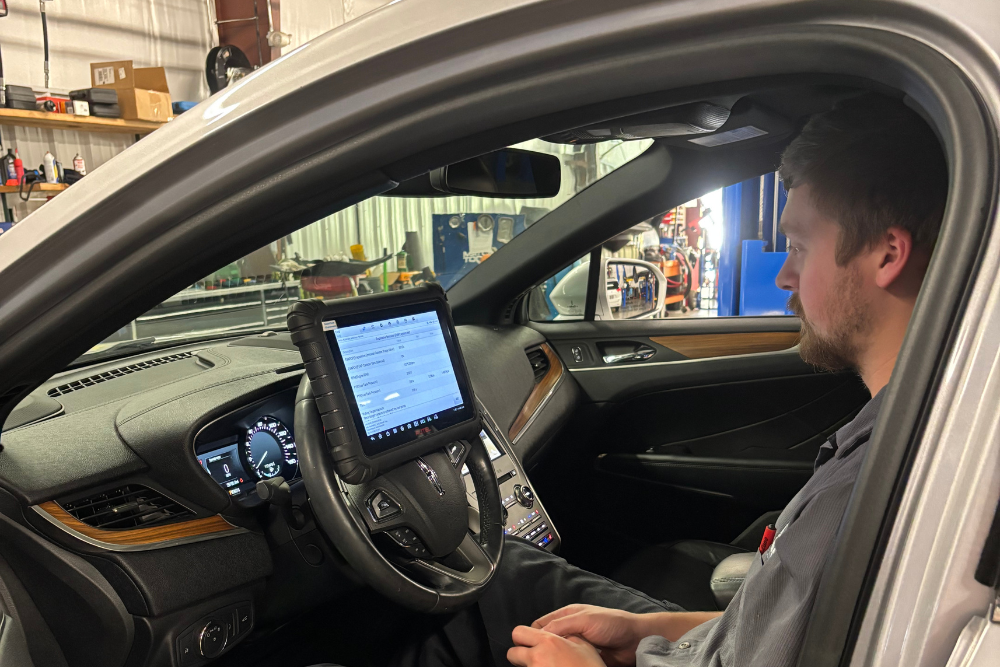
- Advanced Diagnostics: Professional-grade equipment that identifies fuel system problems accurately the first time
- Transparent Communication: Detailed digital vehicle inspections that show you exactly what your truck needs and why
- Quality Guarantee: Every diesel repair is backed by our 2-year unlimited-mile warranty
- Convenient Service: Curbside pickup and delivery, loaner cars, and text-to-pay options that fit your schedule
We live by our core values of Integrity, Excellence, and Superior Service. That means honest recommendations, expert workmanship, and treating your diesel truck with the care it deserves.
FAQs About Winter Diesel Fuel System Maintenance
What temperature does diesel fuel start to gel?
Diesel fuel begins to gel when temperatures drop to around 10-15°F, though the exact point depends on the fuel blend and whether winter additives are used. At this temperature, paraffin wax in the fuel crystallizes and clogs filters, preventing proper fuel flow to your engine.
How often should I change my diesel fuel filter in winter?
You should change your diesel fuel filter before winter begins and monitor it throughout the cold months, potentially replacing it again if you notice performance issues or warning lights. Trucks operated in extreme cold or with heavy use may benefit from more frequent filter changes every 5,000-7,500 miles during winter.
Can I use gasoline to prevent my diesel from gelling?
No, adding gasoline to diesel fuel is extremely dangerous and will damage your fuel injection system, reduce lubrication, and can cause complete engine failure. Always use diesel-specific anti-gel additives designed to prevent fuel gelling in cold weather while protecting your engine’s fuel system.
What's the difference between anti-gel and de-gel additives?
Anti-gel additives prevent fuel from gelling by lowering the temperature at which wax crystals form, and should be added before temperatures drop. De-gel additives attempt to re-liquefy fuel that has already gelled, but are less effective and should only be used in emergencies when prevention has failed.
How do I know if my diesel fuel has water in it?
Signs of water in diesel fuel include hard starting, rough running, white smoke from the exhaust, and illuminated check engine lights with fuel system codes. You can also check your fuel water separator for accumulated water, or have a professional drain a sample from your tank to inspect for water contamination and cloudiness.
Schedule Your Diesel Fuel System Maintenance in Springboro, OH
Winter weather challenges every diesel truck, but proper fuel system maintenance keeps you running reliably when others are calling for tow trucks. Whether you drive a Powerstroke, Duramax, or Cummins, protecting your investment starts with proactive service from technicians who specialize in diesel repair.
Visit Schmidt Auto Care at 285a Hiawatha Trail, Springboro, OH 45066, or call 937-514-7860 to schedule your comprehensive diesel fuel system inspection and maintenance. Let our experienced team prepare your truck for whatever winter brings, with the expertise and honest service that families and businesses throughout Warren County trust.