How Often Should You Replace Your Brake Pads in Ohio?
- February 26, 2026
Share:
Ohio roads are not kind to brake pads. Between the road salt that corrodes rotors from the outside and the freeze-thaw cycles that stress components from within, your brakes are taking hits that drivers in warmer states simply don’t deal with. The standard replacement window is 30,000 to 70,000 miles, but the honest answer for Ohio drivers is: it depends, and the stakes are too high to guess.
This guide from Schmidt Auto Care breaks down how winter conditions accelerate brake wear, what warning signs to watch for, how your vehicle type affects the timeline, and why late winter is the smartest time to schedule an inspection. Everything you need to make a confident, informed decision about your brake health is right here.
What's Happening to Your Brakes in Winter
Ohio winters put a specific kind of stress on your braking system that most drivers don’t think about until something goes wrong. Here’s what’s working against your brakes from November through March:
- Road salt and brine: Accelerate corrosion on rotors and brake hardware faster than normal wear ever would
- Hard braking on slick roads: Increases friction and heat cycles, wearing pads down unevenly
- Temperature swings: Freezing overnight and warming during the day cause brake components to expand and contract repeatedly
- Cold brake fluid: Reduces hydraulic responsiveness until the system warms up
The bottom line is that a set of pads that might last 60,000 miles in a warm climate could wear significantly faster for a driver commuting through Warren County every day.
Brake Pad Lifespan: What the Numbers Look Like
Not all brake pads are created equal, and not all drivers put the same demands on them. Here’s a straightforward breakdown:
| Driving Condition | Estimated Brake Pad Lifespan |
|---|---|
| Highway-heavy commuting | 50,000 to 70,000 miles |
| Mixed city and highway | 35,000 to 50,000 miles |
| Stop-and-go city driving | 25,000 to 40,000 miles |
| Towing or hauling (trucks, SUVs) | 20,000 to 35,000 miles |
| Ohio winter conditions | Subtract 10,000 to 15,000 miles from any estimate |
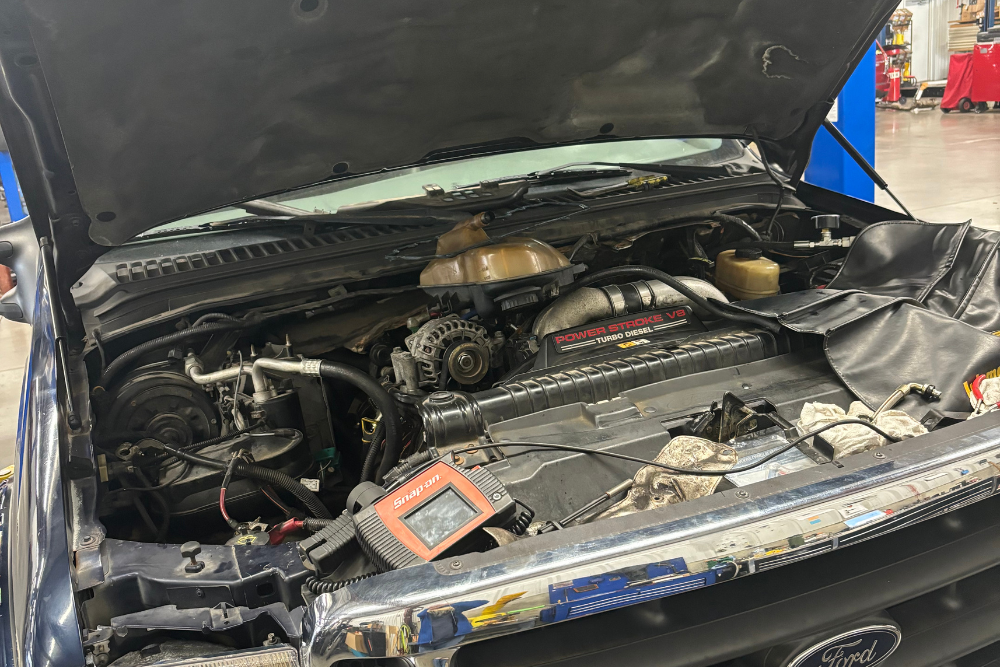
If you drive a heavier vehicle like a Ford F-250 with a Powerstroke, a Chevy Silverado with a Duramax, or a Ram with a Cummins, your brakes are managing significantly more weight with every stop. Diesel truck owners should keep brake inspections on a tighter schedule.
The 5 Warning Signs You Shouldn't Ignore
Your vehicle gives clear signals when brake pads are wearing down. Here’s what to listen to and watch for:
This is usually the first sign. Most brake pads have a small metal wear indicator built in specifically to make this noise. It’s not random, it’s intentional, and it means it’s time to get inspected.
2. Grinding Sounds
Grinding means the pads are likely worn through, and metal is contacting metal. At this point, your rotors may already be affected. Don’t delay.
3. Vibration Through the Pedal
A pulsing or vibrating brake pedal often points to uneven rotor wear caused by prolonged pad neglect. It can also mean the rotors have warped from excessive heat.
4. Vehicle Pulls to One Side
If your car drifts left or right during braking, it usually means uneven pad wear on one side or a caliper that isn’t releasing properly.
5. Longer Stopping Distances
This one is harder to notice gradually, but if the stops feel less sharp than they used to, your brake system needs attention. This is especially critical on icy Ohio roads where every foot of stopping distance matters.
If any of these signs sound familiar, don’t wait. Schedule a brake inspection with Schmidt Auto Care before a small issue becomes a costly repair.
Brake Pads and Rotors Work Together, Not Separately
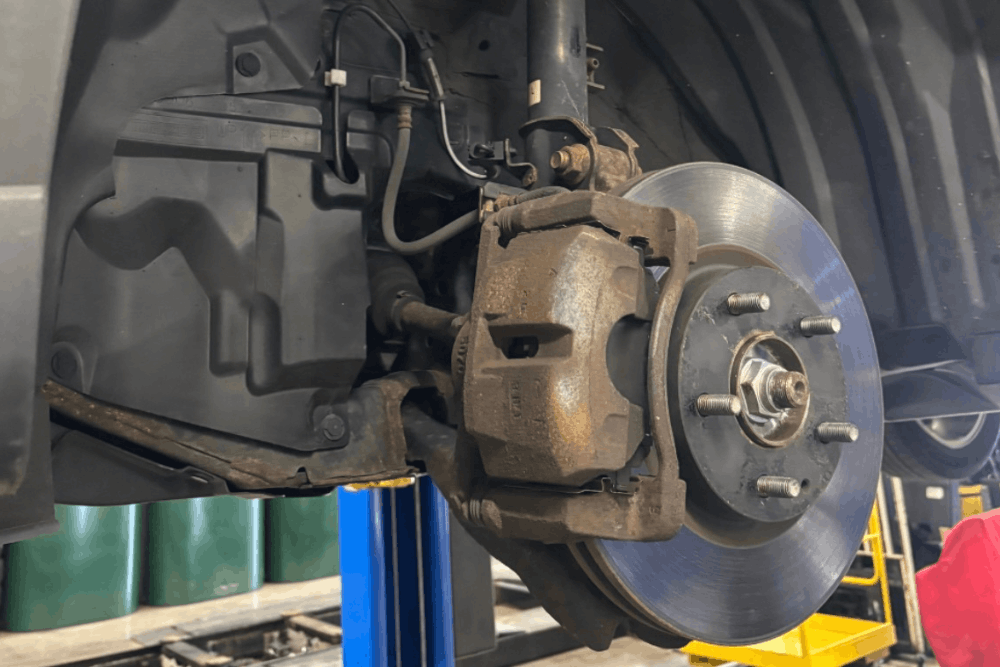
Brake pads and rotors work as a system. When pads wear down, they leave grooves, scoring, and uneven surfaces on the rotor. Installing fresh pads on a compromised rotor means your new pads are immediately working against an uneven surface, which reduces stopping performance and shortens the life of what you just replaced. That’s why rotors are always replaced alongside brake pads at Schmidt Auto Care, giving you a complete, reliable brake system every time.
Every brake repair is also backed by a 2-year, unlimited-mile warranty, so you can drive with confidence long after you leave the shop.
Late Winter Is the Right Time to Check
Late winter is one of the most important times to get a brake inspection in Ohio. Here’s why the timing still matters:
- Road salt exposure has been building up on your brakes for months
- Cold temperatures have been stressing brake components since the fall
- Spring driving season is coming with faster speeds, longer trips, and more braking demand
- Catching wear now means avoiding emergency repairs once the roads clear up
Think of a late winter brake inspection the same way you think about checking your furnace filter before the coldest month hits. It’s easier, cheaper, and smarter to be ahead of it.
Ready to get your brakes checked? Schedule your appointment online or call Schmidt Auto Care at 937-514-7860. We’re located at 285a Hiawatha Trail, Springboro, OH 45066, with curbside drop-off and loaner cars available.
What Brake Inspections Look Like for Warren County Drivers
When you bring your vehicle to Schmidt Auto Care in Springboro, OH, our team includes ASE-certified technicians who don’t just glance at the pads. A full brake inspection covers:
- Pad thickness: Measured on all four corners
- Rotor condition: Checked for scoring, warping, and minimum thickness specs
- Caliper function: Inspected for sticking or uneven pressure
- Brake hardware: Examined for corrosion or wear
- Brake fluid: Reviewed for condition and moisture contamination
Your brake inspection is documented through a Digital Vehicle Inspection, giving you real photos and a clear report of what was found. No guessing, no vague descriptions, just honest information you can make decisions with.
What to Do After Your Brake Inspection in Springboro, OH
Getting the inspection done is step one. Here’s what to do with the results:
- If pads are in good shape: Ask your technician how much life is left and when to schedule your next check. Staying ahead of wear is always cheaper than reacting to it.
- If pads are worn or near the minimum: Schedule the repair before the season changes. Spring driving brings faster speeds, longer highway trips, and more demand on your brakes.
- If brake fluid shows moisture contamination: This is easy to overlook but important. Contaminated fluid reduces hydraulic pressure and braking performance, especially in cold temperatures.
At Schmidt Auto Care, rotors are always replaced alongside pads, so when it’s time for a repair, everything is handled in one visit.
Vehicles We See Most for Brake Repairs in the Springboro Area
Brake wear looks different depending on what you’re driving. Here’s what comes through the shop most often and what to watch for:
- Ford and GM trucks: Heavier vehicles with high towing use burn through pads faster, especially with Powerstroke and Duramax engines
- Honda, Toyota, and Nissan: Generally reliable brake life, but Ohio salt exposure speeds up rotor corrosion
- Jeeps: Popular in Warren County and frequently used off-road, which creates irregular pad wear patterns
- SUVs and crossovers: Heavier than sedans, which means more braking force is needed with every stop
No matter what you’re driving, the inspection process is the same. Schmidt Auto Care services domestic, Asian, hybrid, and diesel vehicles across Springboro, OH, Franklin, OH, and Miamisburg, OH.
FAQs About Brake Pad Replacement in Ohio
How often should brake pads be replaced?
Brake pads should generally be replaced every 30,000 to 70,000 miles, depending on driving habits, vehicle weight, and road conditions. Ohio drivers often fall on the shorter end of that range due to winter weather and salted roads.
What happens if you wait too long to replace brake pads?
Worn brake pads cause metal-on-metal contact that damages your rotors and reduces stopping power. The longer you wait, the more expensive the repair becomes and the greater the safety risk.
Is it OK to replace only the brake pads and not the rotors?
Installing new pads on scored or worn rotors reduces braking performance and shortens pad life. Replacing both together ensures even contact and reliable stopping power from the start.
How do I know if my brake pads are worn?
Listen for squealing or grinding when you brake, and pay attention to pedal vibration, pulling to one side, or noticeably longer stopping distances. Any of these signs means it’s time for an inspection.
Do cold temperatures affect brake performance?
Cold temperatures can temporarily reduce brake responsiveness and increase wear on components over time. Regular inspections during and after winter help ensure your braking system stays in a safe working condition year-round.
Schedule Your Brake Pad Replacement in Springboro, OH with Schmidt Auto Care
Your brakes are not something to put off, especially in the middle of an Ohio winter. Whether you’re hearing something unusual, feeling something off, or simply due for an inspection, Schmidt Auto Care is here to help.
We’ve been serving families across Springboro, OH, Franklin, OH, Miamisburg, OH, and the Warren County area since 2009. We’re veteran-owned, family-run, proudly women-friendly, and built on three values we don’t compromise on: Integrity. Excellence. Superior Service.
Visit us at 285a Hiawatha Trail, Springboro, OH 45066, or call 937-514-7860 to book your brake inspection or brake pad replacement today. You can also schedule online here. Safe stopping starts with one appointment.