
Brake system diagnostics help Ohio drivers prepare for changing weather by checking pads, rotors, calipers, and brake fluid condition. Wet roads, colder temperatures, and road treatments can contribute to uneven wear, brake vibration, and corrosion. A complete inspection identifies the source of brake concerns before seasonal driving conditions increase stress on components.
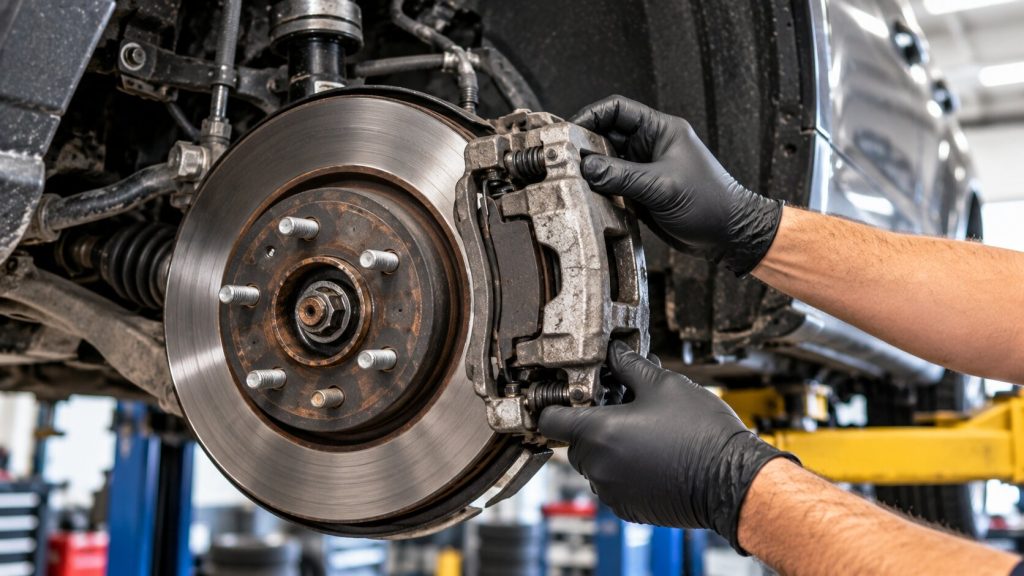
A 2017 Honda Pilot was brought in with a brake complaint that had been getting harder to ignore. The driver noticed a shake through the steering wheel when stopping, a pulsing feeling in the pedal, and occasional brake noise, especially after the vehicle had been driven in wet weather around Springboro.
The first step was to inspect the brake system before recommending any repairs. A vibration during braking does not automatically mean the rotors need to be replaced, so the inspection looked at the condition of the pads, rotor surfaces, caliper movement, and brake fluid to determine where the problem was starting.
The front brake assembly showed signs that the caliper was not moving as freely as it should. That uneven movement allowed one side of the brake system to build more heat and wear differently than the other. With Ohio’s changing weather, repeated exposure to rain, road spray, temperature drops, and winter road treatments can take a toll on brake hardware over time.
Springboro Driving Conditions And Brake System Stress
Brake hardware around Springboro deals with plenty of moisture throughout the year. Rain, road spray, and winter treatments can reach caliper brackets, slide pins, and other parts that sit close to the wheel.
The vehicles that come through the shop are often used for everyday driving, including short trips, school drop-offs, errands, and local traffic. Those trips may not create enough heat to dry moisture from brake components, allowing corrosion to develop around areas that need to move freely.
Winter salt and brine create another challenge. They help keep roads safer, but they can also speed up corrosion on exposed brake hardware. A caliper pin that starts sticking or a pad that stops moving smoothly can lead to uneven wear that drivers eventually notice through vibration, noise, or changes in braking feel. A seasonal brake inspection gives technicians a chance to check the parts that are most affected by these conditions and catch wear before it turns into a larger repair.
Brake Inspection Process For Pads Rotors And Calipers
The Honda Pilot inspection started with the areas most connected to the driver’s complaints. Brake vibration does not automatically mean a rotor needs replacement, and uneven pad wear does not always mean the pads are the original problem.
The inspection focused on:
- Front brake pad thickness and wear differences
- Rotor surface condition and measurements
- Caliper guide pin movement
- Brake fluid moisture condition
- Heat differences between wheels after driving
The front brake components showed signs that one side was not releasing consistently. When a caliper does not move freely, the brake pad can remain lightly pressed against the rotor after the driver releases the pedal.
That extra contact creates additional heat during normal driving. Over time, the rotor surface can develop uneven friction areas that create vibration during braking.
A measurement-based inspection provides more information than simply replacing parts based on symptoms. The condition of each component determines whether cleaning, servicing, machining, or vehicle testing is appropriate.
Brake Pad Wear Patterns And Their Meaning
Brake pads provide important clues during a brake inspection. The way a pad wears often shows whether braking force is being applied evenly.
Technicians look for signs such as:
- Inner and outer pad thickness differences
- Uneven wear from one side of the vehicle to the other
- Cracked or overheated friction material
- Glazing caused by excessive heat
A brake pad that wears unevenly may point toward restricted caliper movement or hardware concerns. The pad itself may not be the original cause of the problem.
Drivers may notice several symptoms when pad wear becomes uneven:
- Squealing during braking
- Vehicle pulling to one side
- Increased brake dust on one wheel
- Vibration during stops
Replacing pads without addressing the cause can allow the same symptoms to return. The inspection needs to determine why the wear occurred.
Rotor Measurements And Brake Vibration Diagnosis
Brake rotors handle significant heat every time the vehicle slows down. During normal operation, heat spreads across the rotor surface evenly. Problems occur when one area experiences more friction or heat than another.
Many drivers describe this as a “warped rotor,” but the actual condition is often related to uneven rotor thickness or inconsistent friction transfer.
Rotor diagnosis may involve checking:
- Lateral movement with a dial indicator
- Rotor thickness differences
- Surface condition
- Hub mounting cleanliness
A rotor with excessive variation can create a repeating push-back sensation through the brake pedal. The steering wheel may also shake because the front brakes are connected directly to the steering system.
The inspection of the Honda Pilot focused on measuring the rotor condition rather than assuming replacement was required. This approach helps separate a worn rotor from a brake system issue that needs attention elsewhere.
Caliper Movement And Hydraulic System Checks
The caliper plays a major role in maintaining consistent braking. A floating caliper must slide correctly so the brake pads can apply and release evenly.
During wet seasons, moisture can reach caliper hardware and create corrosion around moving surfaces. The rubber boots protecting guide pins help prevent contamination, but damaged seals or worn lubrication can allow problems to develop.
A caliper inspection looks at:
- Guide pin movement
- Protective boot condition
- Pad contact points
- Piston operation
Hydraulic components require attention as well. Brake fluid transfers pressure from the brake pedal to the calipers, allowing the vehicle to slow down.
Over time, brake fluid absorbs moisture from the environment. As moisture increases, the fluid becomes less resistant to heat during repeated braking situations.
Drivers may notice hydraulic concerns through:
- A soft brake pedal
- Increased pedal travel
- Reduced confidence during repeated stops
- Changes in braking feel
Testing brake fluid condition provides a clearer picture than judging the fluid by appearance alone, helping prevent electrical repair issues or brake system failures.
Wet Roads And Cold Temperature Brake Preparation
Ohio weather has a way of exposing brake issues that are easy to miss during warmer months. A Pilot, SUV, or truck may stop normally on a dry summer day, then start showing vibration or noise after weeks of rain, temperature swings, and road salt exposure. Owners of Asian vehicles should also be mindful of seasonal maintenance.
During wet weather inspections, one of the first things to check is whether the brake components are still moving the way they should. A sticking caliper or uneven rotor contact can turn a normal stop into a noticeable shake through the pedal or steering wheel, especially when the brakes are used repeatedly.
Cold weather adds another layer because moisture stays around longer on metal brake parts. Drivers usually notice the early signs first, such as a new squeal after rain, a vehicle pulling during a stop, extra brake dust on one wheel, or a burning smell after a short drive.
Checking the brakes before winter road treatments become heavy gives technicians a chance to measure wear, inspect caliper movement, and address problems before they turn into a bigger repair.
Brake Fluid And Hydraulic System Maintenance
Brake fluid is often overlooked because it does not have visible wear like brake pads or rotors. However, fluid condition affects how the entire braking system responds under heat and pressure.
Brake fluid absorbs moisture over time through normal system operation. Increased moisture content can lower the fluid’s ability to handle high temperatures during repeated braking.
A hydraulic inspection may involve checking:
- Fluid moisture level
- Signs of contamination
- Brake hose condition
- Pedal feel during operation
A firm pedal with normal travel points toward a different issue than a soft pedal that sinks lower than expected. Understanding the difference helps separate mechanical brake concerns from hydraulic concerns.
For vehicles driven through Ohio’s changing seasons, fluid condition should be considered part of routine brake maintenance rather than something checked only after a problem appears.
Seasonal Brake Checks For Ohio Drivers
Brake inspections are not only for vehicles already showing symptoms. Seasonal changes create an opportunity to evaluate components before weather places additional demands on the system.
A spring inspection can identify damage caused by winter road treatments, while a fall inspection can prepare vehicles for colder temperatures and increased moisture exposure.
Important areas to review include:
- Brake pad thickness and wear condition
- Rotor measurements and surface condition
- Caliper movement and hardware condition
- Brake fluid moisture levels
- Signs of heat buildup around wheels
This approach is especially useful for vehicles used for daily commuting, family transportation, and frequent short trips.
The Honda Pilot inspection demonstrates why brake diagnosis should focus on the entire system. The vibration was not simply a rotor replacement decision. The inspection needed to identify the component creating uneven braking behavior.
Frequently Asked Questions
Can a sticking caliper cause brake vibration?
Yes. A sticking caliper can keep the brake pad lightly contacting the rotor after the brake pedal is released. This creates uneven heat across the braking surface, which may lead to brake pedal pulsation, steering wheel vibration, or uneven pad wear.
Does a brake vibration always mean the rotors need replacement?
No. Brake vibration does not always mean the rotor needs to be replaced. Uneven rotor thickness, inconsistent pad material transfer, excessive heat, or restricted brake hardware movement can all create similar symptoms.
How does Ohio weather affect brake components?
Ohio weather exposes brake systems to changing conditions throughout the year. Rain, road moisture, colder temperatures, and winter road treatments can contribute to corrosion around calipers, hardware, and other brake components.
How often should brake fluid be checked?
Brake fluid should be inspected during routine brake service and according to the vehicle manufacturer’s maintenance schedule. Over time, brake fluid can absorb moisture, which may reduce its ability to handle high temperatures during repeated braking.
What signs indicate a brake inspection is needed?
A brake inspection is recommended when drivers notice changes such as vibration during stops, unusual brake noises, a softer pedal feel, or the vehicle pulling while braking. These symptoms may point to concerns involving pads, rotors, calipers, or hydraulic components.
Brake System Diagnostics At Schmidt Auto Care
Brake concerns can change with the seasons, especially when Ohio weather brings rain, colder temperatures, and road treatment exposure. A complete inspection helps identify whether the issue involves pads, rotors, calipers, brake fluid, or another part of the braking system.
For drivers experiencing brake vibration, uneven wear, or changes in pedal feel, Schmidt Auto Care at 285a Hiawatha Trail, Springboro, OH 45066, United States provides brake system inspections focused on measuring component condition and identifying the source of the concern.
A proper diagnosis can help determine whether a vehicle needs brake service, component repair, or maintenance before seasonal driving conditions become more demanding.